
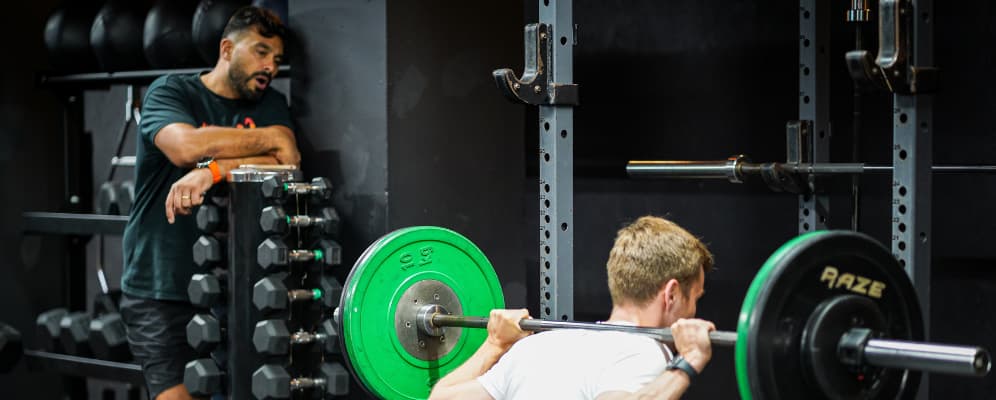
In strength training, one of the biggest mistakes people make is skipping the basics. It is tempting to jump ahead to advanced exercises or heavy loads without first developing quality movement. But without a strong base, progress eventually stalls. Worse still, injuries creep in.
Before you build strength, you need to build movement. Strength training is, at its core, about controlling load through movement. If that movement is restricted or imbalanced, the body will always find a way to compensate. This creates weaknesses and leaves you vulnerable to setbacks.
This is not about trendy hacks or the latest gym routine. It is about doing the simple things well, and laying the groundwork for long-term, sustainable progress.
Start With Mobility
Mobility is your body’s ability to move through a full range without restriction. If your joints cannot move well, your muscles cannot work well. Tight hips and ankles limit squats. Stiff shoulders affect pressing and pulling. Tight thoracic spines impact posture and breathing.
Mobility is not just about flexibility. It is about how well your body can move through essential patterns with control. It helps reduce compensations, improves posture, and creates space for strength to develop. Poor mobility limits your potential and increases the risk of injury, especially under load.
Mobility work does not need to be complicated. The best approach is to identify a couple of areas that limit your training and address them consistently. Hips, shoulders, ankles and thoracic spine are common culprits. A focused warm-up that includes mobility drills can reset posture, improve range and activate the right muscles before your main lifts.
Simple movements like hip openers, shoulder cars, wall slides, deep squats or foam rolling can make a big difference when done with purpose. Paired with regular movement throughout the day and post-session recovery strategies, mobility work builds the foundation for moving well and training pain-free.
Build Structural Balance
Strength without balance is a short road. Left to its own devices, the body will always favour the stronger side. Most of us already have imbalances thanks to years of sitting, past injuries or playing one-sided sports. These imbalances might not be noticeable at first, but over time they compound and affect how well we move, train and recover.
This is where unilateral work shines. Exercises like split squats, single-leg deadlifts, single-arm presses and rows all expose gaps in strength, stability and control between sides. These movements are not just filler exercises. They form the early layers of a strength programme built to last.
Focusing on single training also allows you to address weaknesses without the stronger side taking over. It improves coordination, balance and muscle recruitment, which transfers directly into better performance in bilateral lifts like squats and deadlifts. Developing structural balance also reduces joint strain and helps prevent the overuse injuries that often stem from poor movement habits.
In the early stages of training, structural balance should be a priority. It sets the stage for long-term progress by ensuring the body can move evenly and efficiently. At Foundry, we often programme unilateral work not only to correct imbalances, but also to build better awareness and control in our members.
Create Stability Under Load
Being strong is not just about moving weight. It is about being able to hold a position under pressure. That requires stability. Without it, lifts fall apart and the risk of injury increases.
Stability starts with learning how to control your spine and pelvis under load. This is not about staying rigid, but about being able to maintain alignment while the rest of the body moves. Exercises like dead bugs, bird dogs and side planks develop this ability from the ground up.
Core control is key here. Bracing properly, resisting movement and learning to create tension throughout the body are skills that underpin all big lifts. Think planks, carries, and tempo work. These are the foundations that let you move more weight safely and efficiently down the line.
We also use anti-movement drills to challenge the body’s ability to resist rotation, extension and lateral flexion. These include Pallof holds, offset carries and single-arm variations of standard lifts. These exercises train your body to stay stable even when challenged, which directly carries over to your squats, deadlifts and overhead presses.
True strength is not just being able to lift the weight, but being able to stay in control while doing so. By mastering stability first, you build confidence, reduce risk and create a platform to layer strength on top of.
Learn The Movement, Not Just The Lift
Many lifters focus too much on the weight and not enough on the movement. But strength is built on repetition of quality movement. The better you move, the better your lifts will feel, and the easier it is to make progress.
Mastering a lift means understanding the sequence, the positioning and the rhythm of the movement; each phase of a squat or press matters. From the setup and breathing to the depth and finish, every part of the lift contributes to safety, efficiency and strength. Developing an eye for detail and being willing to pause and refine technique is what separates long-term success from short-lived progress.
Invest time in learning how to squat, hinge, press and pull. Film your lifts to assess positioning and control. Ask for coaching regularly. Be open to using regressions, such as tempo work or reduced loads, to build awareness and correct patterns. Movements should feel stable and repeatable before the load is increased.
Poor habits under load are hard to undo, and trying to build strength on poor mechanics is a fast track to frustration. Instead, treat your training as skill development. Lift with intent and attention, not ego. You will build stronger patterns, avoid plateaus and stay healthier for longer.
Add Weight Slowly
Adding weight is not the goal. It is the result of doing everything else well. Chasing numbers before your body is ready often leads to breakdowns in form, stalled progress or even injury. It might feel satisfying to see the plates stack up, but real strength is about being able to handle a consistent load with control over time.
Progressing too quickly does not give your tissues enough time to adapt. Tendons, joints and stabilising muscles develop more slowly than your prime movers. By adding weight too fast, you increase the risk of setbacks that stop you in your tracks.
A better approach is to own each phase of training. Add weight in small increments. Build volume before intensity. Spend time mastering submaximal loads with pristine technique before pushing for personal bests. Respect tempo, control and range of motion, and treat every lift with intent, regardless of the weight.
Learn to listen to your body. If your form slips or you lose stability, back off and reset. Have the discipline to repeat the same load until it feels effortless. This patient approach not only leads to better lifts, but it also keeps you in the game for longer.
Strength Beyond The Gym
At Foundry, we talk a lot about strength for life. That means building a body that not only lifts well in the gym, but moves well outside of it. The kind of strength that helps you carry shopping, climb stairs, pick up kids, or stay injury-free at work.
Mobility, control and balance are not exciting buzzwords. But they are the ingredients of lasting strength. Lay the foundations now, and you will enjoy the benefits for years.
Train The Foundry Way
Every programme at Foundry is designed with foundations in mind. We do not rush the basics. We meet you where you are, teach you to move well and coach you towards sustainable progress.
The strongest lifters are not the ones who peak early. They are the ones who keep showing up, doing the work and building brick by brick.
If that sounds like the kind of small group training you need, we are ready when you are.
Related Articles
- The Surprising Benefits of Strength Training
- Why Romanian Deadlift is a Must-Have Exercise for Strength Training
- Training for Mental, Emotional, and Physical Strength
- Why Strength Training Gives You the Best Return on Your Exercise Time
- 7 Reasons Women Should Strength Train
Prefer an AI Summary?